7 min read
Monitoring what your chatbot says is not enough. You should also know what users say to it
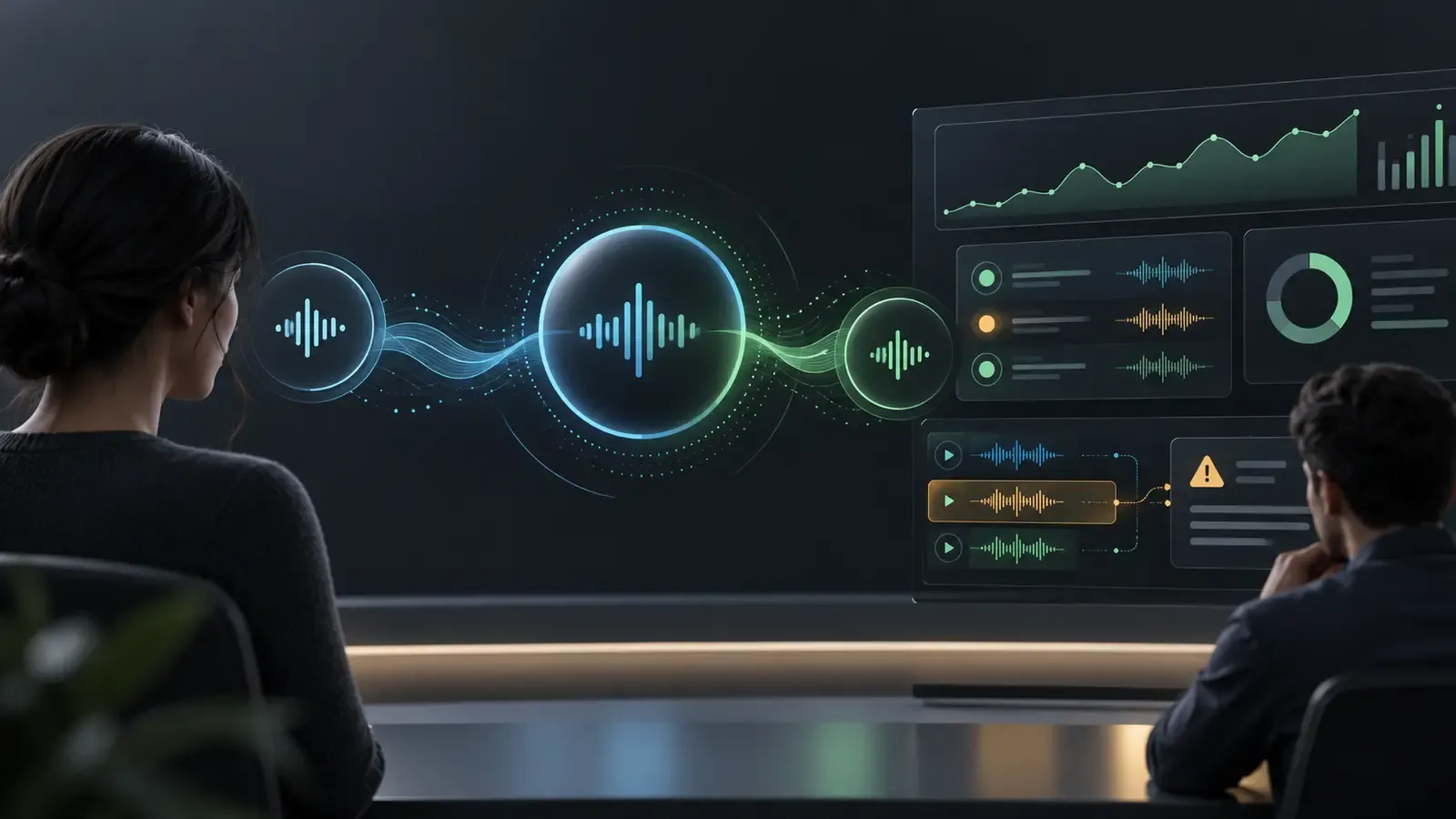
Anthropic’s new policy highlights an issue that is easy to overlook when deploying AI systems: end-user behavior can create risk for the solution provider. How should that behavior be monitored, when should a team respond, and what should change in the maintenance of production chatbots and voicebots?
Anthropic changes its rules
On October 8, 2026, Anthropic, the company behind the Claude models, published an update to its Usage Policy that will take effect on November 12, 2026.
One of the changes addresses how users behave toward AI models themselves. In the section Addressing abusive behavior toward our models, the company introduces a prohibition on sustained and needless abusive or cruel behavior toward its models.
Anthropic makes clear that this does not cover ordinary frustration, criticism of responses, model testing, or difficult conversations. The new provision is intended for extreme cases involving repeated abuse.
Notably, the policy applies not only to people using Claude directly, but also to end users of applications that integrate Anthropic models through the API.
Source: Anthropic — 2026 Usage Policy Update.
Your customer insults the voicebot. Is that your problem?
Consider an insurance company that uses a voicebot to accept claims. The system handles thousands of calls every month.
Most customers want to resolve their issue efficiently. Some, however, are upset, use profanity, provoke the bot, or deliberately try to disrupt the conversation.
Until now, such situations could primarily be treated as a customer experience issue. Anthropic’s policy update draws attention to another consideration: whether end-user interactions comply with the model provider’s rules.
Anthropic’s policy states that the company may warn, throttle, limit, suspend, or terminate access to its services when it suspects a violation. At the same time, Anthropic says that the primary enforcement mechanism for persistent abuse will remain Claude’s ability to end rare conversations on Claude.ai and in Claude Code.
This does not mean that one impolite caller will cause the API used by a company to be blocked. Anthropic has not announced such an automatic enforcement mechanism for integrators. The policy also does not explicitly require integrators to implement conversation monitoring. We propose monitoring as a practical way to identify risk, observe trends, and document the response.
We do not have full control over user behavior, but as providers of AI systems, we should be able to identify the risks associated with it and respond appropriately.
Not every sign of frustration is abuse
This distinction is especially important for voicebots.
A customer calling after a car accident, reporting an outage, or struggling with a service may be highly distressed. A raised voice or profanity does not necessarily indicate deliberate abuse.
Moreover, if similar behavior becomes more frequent, it may point to deteriorating service quality rather than a change in users themselves.
Two separate areas are therefore worth monitoring:
- Interaction quality — signs of dissatisfaction, difficulty completing a task, recurring service problems, and negative conversation outcomes.
- Potential abuse — deliberate and persistent insults directed at the model, provocation, and other behavior that may violate the service provider’s rules.
Analysis of user statements should not be presented as objective emotion recognition. Conclusions drawn from transcripts are estimates, and data processing must comply with applicable legal constraints and AI provider policies.
How can this risk be managed? Four practical recommendations
At Inero, we believe that monitoring user behavior can become a natural extension of chatbot and voicebot maintenance services.
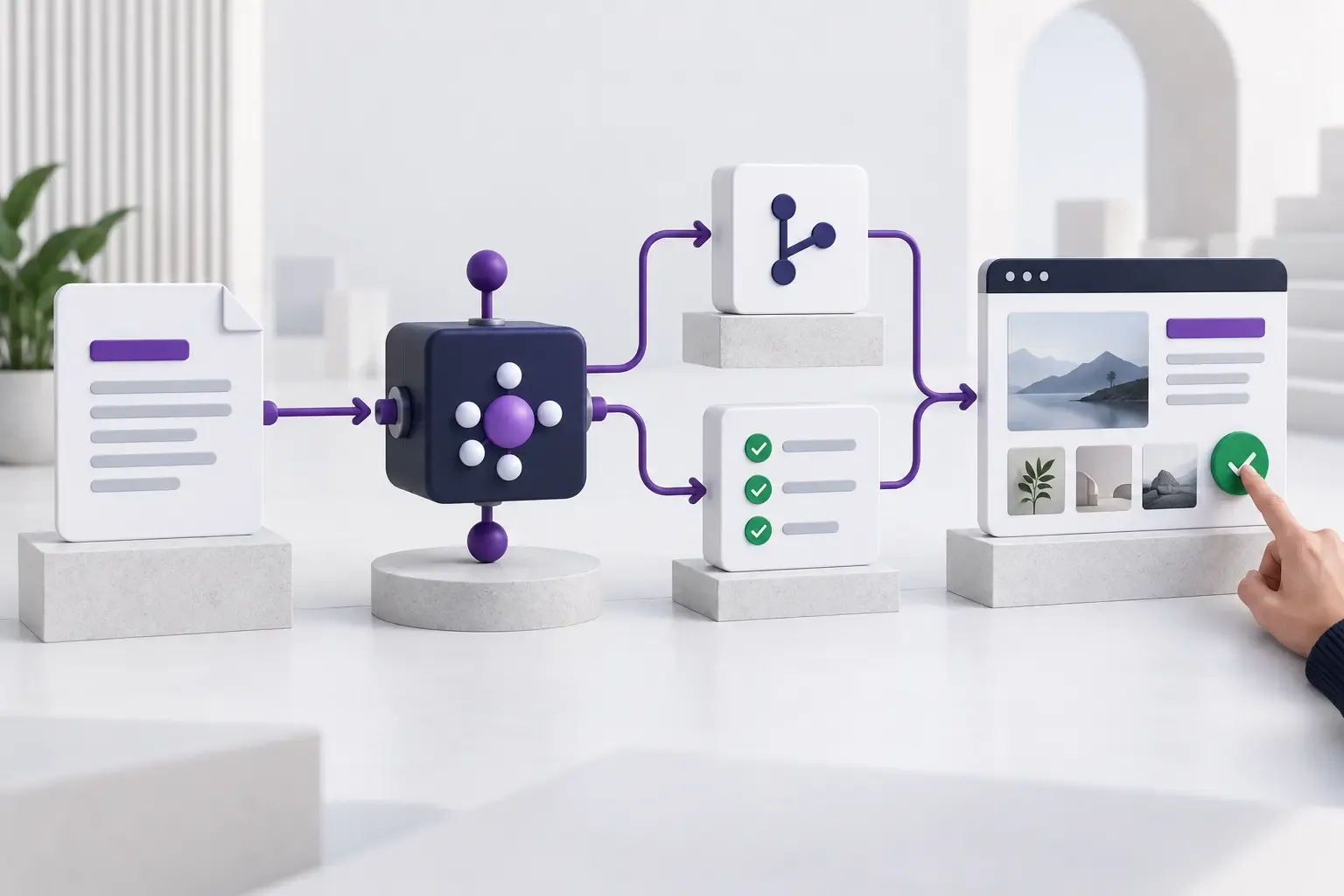
It does not have to involve analyzing every statement in real time or automatically terminating conversations. In many cases, monitoring completed interactions and analyzing them in aggregate will be more practical.
1. Analyze conversations periodically
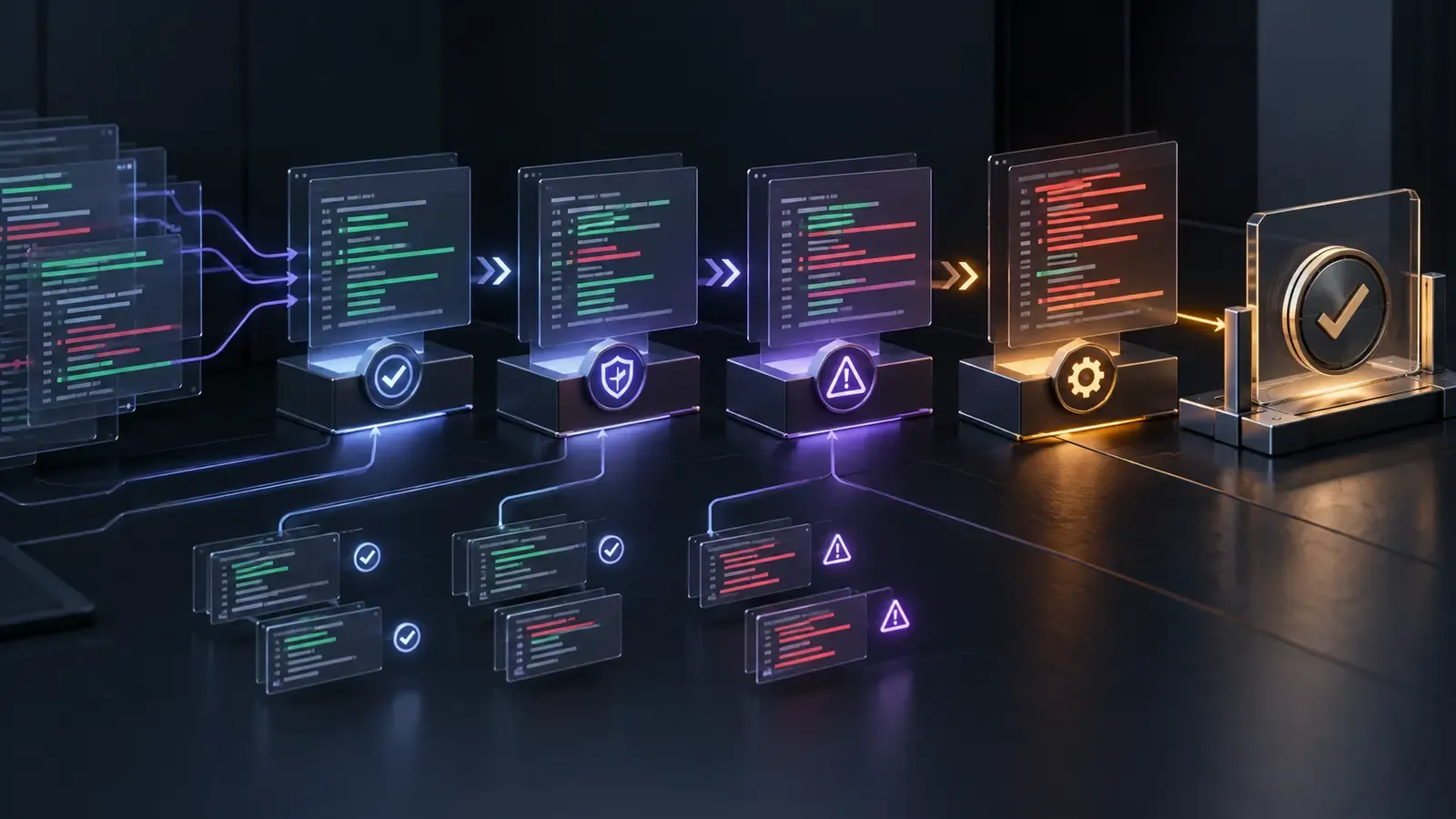
A useful first step may be to analyze transcripts of completed conversations automatically, for example once a day.
The system can identify conversations that contain signs of abuse, negative user experiences, recurring service difficulties, and cases that need additional review.
This analysis operates independently of the main voicebot and does not add latency to the conversation.
2. Monitor trends, not every individual event
Knowing that the share of problematic conversations increased from 5% to 12% over a month may be far more useful than being notified about one impolite caller.
Are users increasingly unable to complete their task? Is the number of conversations involving persistent abuse rising? Is the problem concentrated in a particular service scenario?
It is worth defining indicators, baselines, and alert thresholds. An alert should be sent to the client only when a meaningful change in the trend occurs.
This approach reduces unnecessary notifications and focuses attention on developments that genuinely matter to the operation of the service.
3. Handle serious incidents and repeated behavior through a separate process
Some events require a faster response than a standard periodic report. This includes both serious safety incidents and patterns of persistent behavior visible across multiple interactions.
In such cases, the system can send an alert to the team responsible for maintaining the solution, ideally soon after the event is detected or a defined threshold is exceeded.
Automated detection should be followed by human review, an assessment of the event, and, where justified, escalation to the business client.
The purpose is not to punish users automatically or treat a single statement as a violation of Anthropic’s policy. It is to identify situations that may require intervention and document the actions taken.
4. Monitor AI provider policies as well
Technical monitoring should not be limited to interactions.
Model providers such as Anthropic and OpenAI update the rules governing the use of their services. These changes may affect how existing solutions should be designed and maintained.
Provider policies should therefore be reviewed periodically, their implications for operating systems assessed, and internal procedures updated where necessary.
Which technologies can support this process?
Not every part of such a solution requires a custom AI model.
There are at least two possible approaches.
The first is to use dedicated moderation tools, such as the OpenAI Moderation API. They can classify content against defined risk categories such as harassment, threats, or violence.
The second is to use LLMs as classifiers that analyze the context of the full conversation, repeated abuse, or difficulties encountered by the user.
The two methods can be used independently or together. The right choice depends on the scale of the system, cost, expected accuracy, and data processing policies.
The results should not, however, be treated as an official determination that the model provider’s policy has been violated. Automated classifiers can be wrong, so serious cases should undergo additional review.
Buying a chatbot or managing one? Consider an AI Interaction Risk Report
If your organization operates a production chatbot or voicebot, consider extending the standard maintenance service with a periodic AI Interaction Risk Report.
This can be a practical service for people responsible for an AI system’s operation. The report could include:
- trends in interaction quality and problematic conversations;
- the frequency of potential abuse and changes in those indicators over time;
- a summary of serious incidents and the actions taken;
- recommendations for improving the service;
- information about relevant changes to AI model provider policies.
This does not require an extensive infrastructure that analyzes every statement in real time. In many cases, periodic analysis of completed conversations, appropriate indicators, and clearly defined response procedures will be sufficient.
The implementation of such monitoring should account for personal data protection, data minimization, retention rules, and restrictions in the terms governing the models used.
It is therefore worth asking your chatbot provider not only about the SLA, availability, and incident response times, but also how it monitors user behavior and manages the risks arising from interactions with AI.
AI Maintenance is becoming more than infrastructure maintenance
Anthropic’s new policy is an interesting signal of the direction in which the AI market is moving.
As the number of production deployments grows, it is becoming increasingly important not only to control the responses generated by a model, but also to observe how users interact with AI systems.
Traditional monitoring of service availability, performance, costs, and integration errors remains essential. However, it no longer captures every risk present in production chatbots and voicebots.
It is not enough to know whether a chatbot is operating correctly. You also need to understand how its interactions with users unfold, whether concerning trends are emerging, and when a response is required.
This is another area that should be considered when designing and maintaining AI solutions over the long term.
Sources
- Anthropic, “2026 Usage Policy Update”, October 8, 2026.
- Anthropic, “Usage Policy”, effective November 12, 2026.
- AI Maintenance
- AI Interaction Risk Report
- chatbot
- voicebot
- AI monitoring
- AI risk management
- Anthropic